Globeia
image
Guide

The Complete Guide to UK Apostille for Spain: Everything you need to know

Chapters
What Is a UK Apostille?Why Does Spain Require an Apostille?Who Needs a UK Apostille for Spain?The Hague Apostille Convention ExplainedPost-Brexit Changes and What They Mean for UK NationalsWhich UK Documents Need an Apostille for Spain?Where to Get a UK Apostille? Authority ExplainedSpain Visa Types and Use Cases for UK Nationals: Apostille Requirements ExplainedWhat Is UK Notarisation?Understanding Solicitor Certification for UK ApostilleTypes of Apostille Issued by the UKLegalisation vs. Apostille : Understanding the DifferenceWays to Submit Your UK Apostille ApplicationWhy the FCDO Rejects Apostille Applications And How to Fix Each IssueThe UK Apostille Process Step by StepDocument-by-Document UK Apostille For Spain Translation Requirements for Spain Common Mistakes While Apostille UK Documents and How to Avoid ThemSpecial Circumstances for Apostilles (UK Documents for Spain)How Much Does It Cost to Complete UK Apostille for Spain ?Apostilles for Scotland, Wales, Northern Ireland, and Crown Dependencies: Region-by-Region Guide The Master Checklist for UK Apostille for Spain
HomeGuidesThe Complete Guide to UK Apostille for Spain: Everything you need to knowThe Hague Apostille Convention Explained
Chapters

The Hague Apostille Convention Explained

The apostille system was created to simplify international document verification. Before 1961, authenticating a document for use abroad required multiple steps approval from the issuing country, legalization at the foreign consulate, and sometimes further certification. This process was slow, costly, and inconsistent.

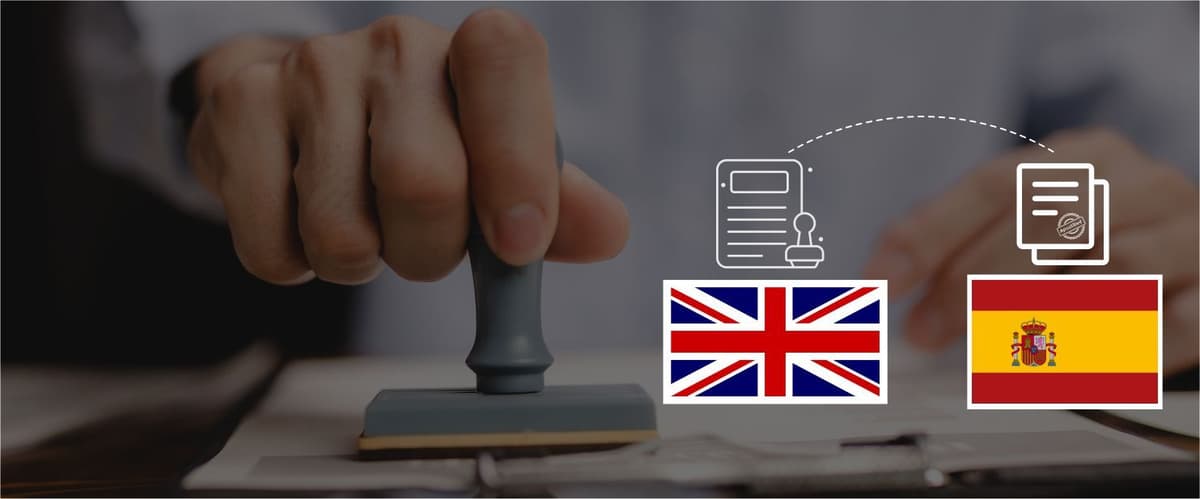
The 1961 Hague Apostille Convention introduced a single, standardized certificate the apostille recognized by all member countries. Today, over 120+ countries, including the UK and Spain, are members. This makes international document authentication faster, reliable, and globally accepted.

How the Convention Works

Key points of the convention:

  • Each member country designates a competent authority to issue apostilles (UK: FCDO; Spain: Ministry of Justice).
  • Only public documents qualify: government-issued, notarial, or administrative records. Private contracts do not qualify unless notarized.
  • An apostille verifies the origin and authenticity of a document, not its content.
  • Apostilles issued by one member country are recognized by all other members without further legalization.

The UK and Apostilles

The UK has been a member since 1965. Brexit did not affect UK membership in the Hague Convention, so UK apostilles remain fully valid in Spain. What changed is only which documents Spanish authorities now require from UK nationals for visas, residency, or other administrative purposes.

Spain and Apostilles

Spain joined the convention in 1978. Spanish authorities notaries, universities, courts must accept apostilled UK documents. Spain also participates in the e-Apostille program, allowing digital verification of documents from the UK.

Documents That Qualify    

Under the Hague Convention, only public documents can be apostilled:

  • Government-issued certificates (birth, marriage, death)
  • Court documents and administrative records
  • Notarial acts and official certificates attached to private documents

Private contracts or letters do not qualify unless notarized; in that case, the apostille covers the notary’s certification, not the private document itself.

Share This Guide
Share This Guide
Share This Guide

Need help with your application or background check?

Contact us now and speak with a dedicated Globeia expert today.

Contact us